THC-P vs Delta-8: What’s the Difference?
THC-P vs Delta-8: What's the Difference?
If you’ve been exploring hemp-derived cannabinoids, you’ve probably noticed that the options go way beyond CBD. THC-P and Delta-8 are two compounds that have been getting a lot of attention, but they work very differently, and knowing the distinction matters before you buy.
This guide breaks down exactly what each cannabinoid is, how they compare, and what to expect so you can make a confident, informed decision. Whether you’re new to hemp-derived THC or already familiar with products like THCA flower and Delta-9, this will help you understand where THC-P and Delta-8 fit in.
What Are Hemp-Derived Cannabinoids?
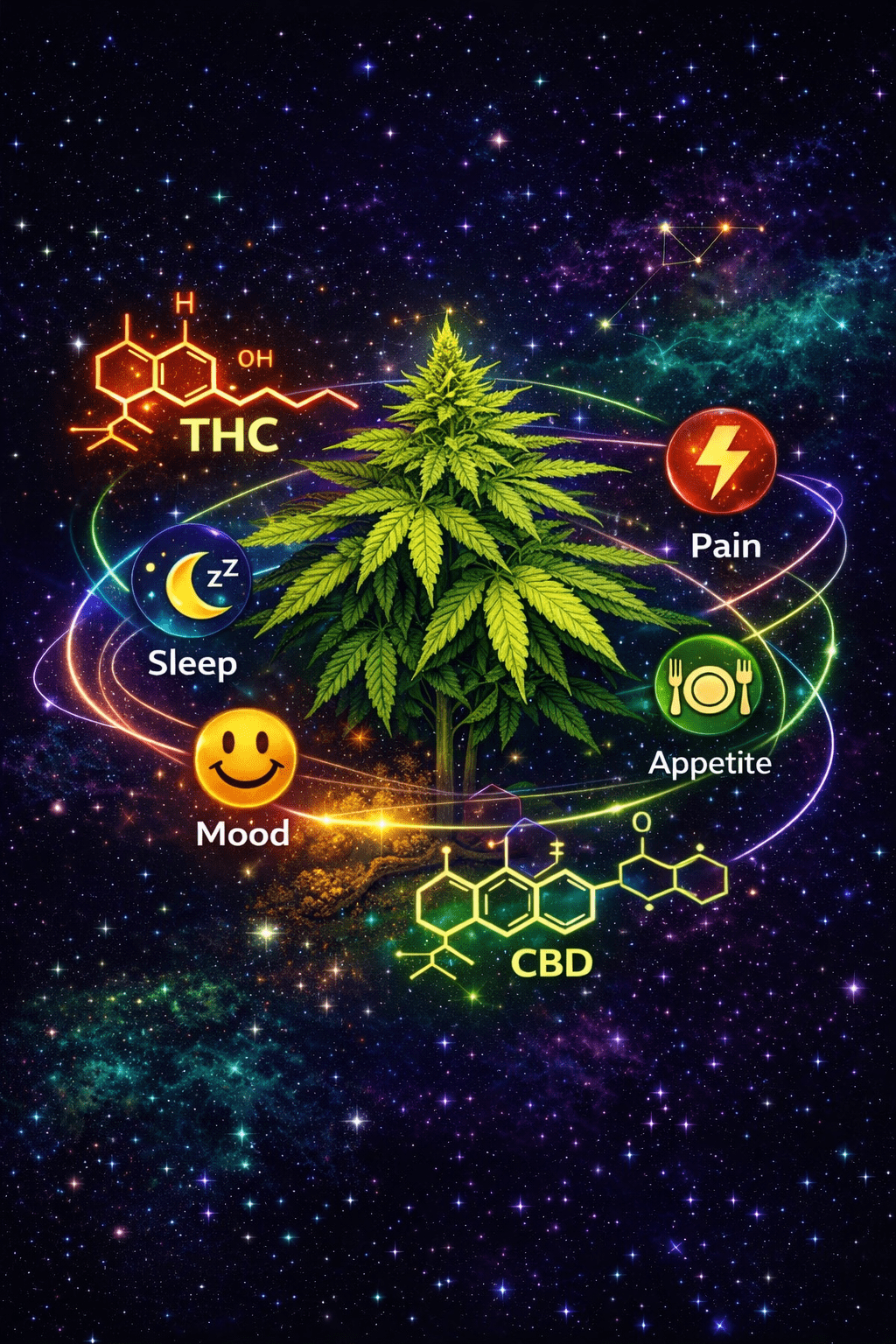
Cannabis plants (including hemp) produce dozens of naturally occurring compounds called cannabinoids. These molecules interact with the body’s endocannabinoid system, which plays a role in mood, sleep, appetite, and pain response.
The most well-known cannabinoids are THC and CBD, but science has identified over 100 others. Among them: Delta-8, Delta-9, THCA, and THC-P, each with its own chemical structure and effects profile.
Hemp vs. marijuana comes down to one key difference: THC content. Under the 2018 Farm Bill, hemp is legally defined as cannabis with 0.3% or less Delta-9 THC by dry weight. Products made from compliant hemp, including hemp-derived Delta-8, Delta-9, and THCA flower, occupy a legal space that has expanded access for adults 21 and older across much of the country.
What Is Delta-8 THC?
Delta-8 THC is a hemp-derived cannabinoid that produces mild psychoactive effects. Chemically, it’s very similar to Delta-9 THC, the primary intoxicating compound in marijuana, but with a small structural difference that makes it noticeably less potent.
What Delta-8 is known for:
- Mild, clear-headed euphoria
- Lower anxiety compared to Delta-9 for many users
- Relaxing body effects without heavy sedation
- A smoother, more manageable experience for beginners
Hemp-derived Delta-8 is typically produced by converting CBD through a lab process called isomerization. It’s widely available in gummies, vape cartridges, tinctures, and flower.
Because it’s derived from hemp, hemp-derived Delta-8 products that meet federal guidelines are accessible in many states where traditional cannabis isn’t. That said, some states have specifically restricted or banned Delta-8, so always check your local laws.
What Is THC-P?
THC-P (tetrahydrocannabiphorol) is a naturally occurring cannabinoid found in very small concentrations in the cannabis plant. It was first identified by Italian researchers in 2019, and what makes it remarkable is its binding affinity to CB1 receptors in the brain.
THC-P has a seven-carbon alkyl side chain, compared to Delta-9’s five-carbon chain. This structural difference allows THC-P to bind to CB1 receptors with significantly greater affinity, some studies suggest up to 33 times more potent than Delta-9 THC in receptor binding.
What that means for the user:
- Significantly stronger psychoactive effects than Delta-8 or Delta-9
- Effects that can last longer and come on more intensely
- More pronounced body sensation and euphoria
- Not recommended for beginners or those with low THC tolerance
THC-P products include vape carts, edibles, and concentrates. Because it naturally occurs in hemp, it falls under the same hemp-derived framework, but due to its potency, even small amounts can produce strong effects.
THC-P vs Delta-8: A Direct Comparison
| Delta-8 THC | THC-P | |
| Potency | Mild (roughly 50-70% of Delta-9) | Very high (up to 33x Delta-9 in receptor binding) |
| Onset | 15–45 min (edibles); faster via vape | Similar onset, but effects build more intensely |
| Duration | 3–6 hours typically | Can last longer depending on dose |
| Best for | Beginners, microdosers, relaxation | Experienced users seeking strong effects |
| Effect profile | Clear-headed, mild euphoria, relaxing | Intense euphoria, heavy body high, sedating at higher doses |
| Common products | Gummies, carts, flower, tinctures | Carts, edibles, blends |
| Legal status | Legal federally if hemp-derived; some state bans | Legal federally if hemp-derived; varies by state |
How Terpenes Factor In
You can’t talk about cannabinoids without mentioning terpenes. These are the aromatic compounds found in cannabis (and many other plants) that give each strain its distinct smell and flavor. But terpenes do more than affect taste.
Research suggests terpenes work alongside cannabinoids through what’s called the “entourage effect,” meaning they can influence how a cannabinoid feels. A THC-P or Delta-8 product that includes a full terpene profile may feel different than one made with distillate alone.
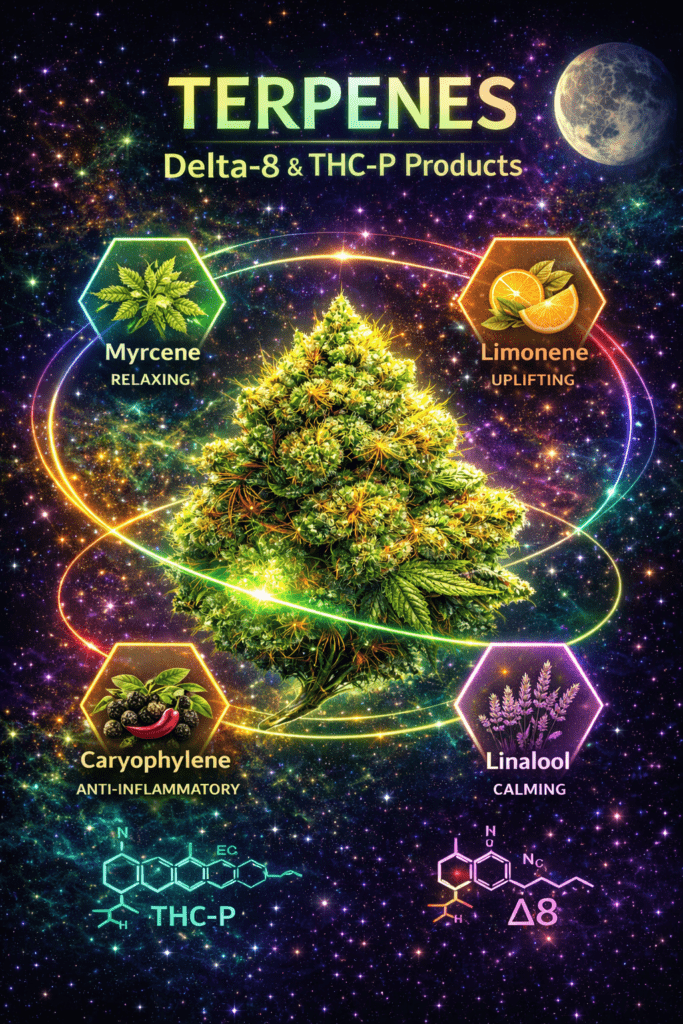
Common terpenes you’ll see in hemp-derived products:
- Myrcene — earthy, herbal; associated with relaxing effects
- Limonene — citrusy; linked to uplifting and mood-boosting effects
- Caryophyllene — spicy, peppery; may have anti-inflammatory properties
- Linalool — floral; associated with calming effects
When you’re shopping for Delta-8 or THC-P products, paying attention to the terpene profile gives you a better sense of the overall experience you can expect.
What Are Trichomes?
If you’ve ever looked closely at cannabis flower, including exotic THCA flower, you’ve probably noticed a frosty, crystal-like coating on the buds. Those are trichomes.
Trichomes are tiny resin glands that produce the majority of the plant’s cannabinoids and terpenes. The denser and more developed the trichomes, the more potent the flower tends to be. When shopping for hemp flower, the presence of healthy, intact trichomes is a quality indicator worth paying attention to.
Delta-8 vs Delta-9: Where Does THC-P Fit?
A lot of people come to THC-P after exploring Delta-8 and Delta-9. Here’s a quick way to think about the spectrum:
- Delta-8 — mild, smooth, accessible
- Delta-9 — moderate, the classic cannabis experience
- THCA — non-intoxicating in raw form; converts to Delta-9 THC when heated
- THC-P — the strongest of the group; not for inexperienced users
If you’ve tried hemp-derived Delta-9 products and found them underwhelming, THC-P might be on your radar. If you’re newer to hemp-derived THC, Delta-8 is a much safer starting point.
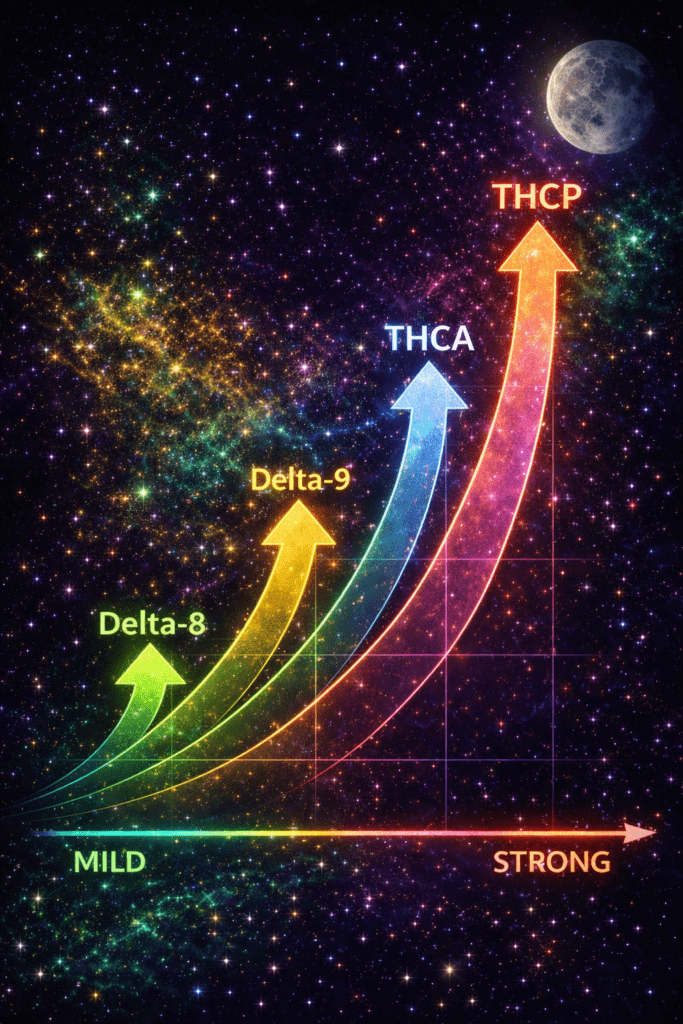
Delta-8 vs Delta-9: Where Does THC-P Fit?
Start with Delta-8 if:
- You’re new to hemp-derived cannabinoids
- You want a mild, functional experience
- You’re sensitive to THC or anxiety-prone
- You want something easy to dose
Consider THC-P if:
- You have a high tolerance and experience with THC
- You’re looking for stronger, longer-lasting effects
- You understand how to start low and go slow
- You’re familiar with how your body responds to potent cannabinoids
Legal THC Flower and Hemp-Derived Products: What to Know
The landscape for legal THC flower and hemp-derived products has expanded significantly since the 2018 Farm Bill. THCA flower, for example, is federally compliant hemp that looks, smells, and smokes like traditional cannabis, and converts to Delta-9 THC when combusted.
It’s important to understand that state laws vary. What’s legal at the federal level may be restricted in your state. Always verify your local regulations before purchasing any hemp-derived THC products.
Moon Men’s products are designed for adults 21 and older. We recommend starting low, especially with high-potency cannabinoids like THC-P, and always consuming responsibly.
Why Shop Moon Men?
Moon Men offers a curated selection of premium hemp-derived products, from exotic THCA flower and delta-8 hemp-derived options to THCA carts and more. Every product is sourced with quality in mind, and lab results are available so you know exactly what you’re getting.
We serve customers who want real options, not knockoffs, and we make it easy to find the right product for your tolerance and preferences.